How Friends, Neighbors, and Churches Can Help a Family Facing the End of Life
When someone you know becomes seriously ill, you want to do something. Maybe it is a friend from church, a neighbor down the road, or a family you have known for years. You hear that hospice is involved, and you wonder how you can help.
So you call or send a message and say, “If you need anything, just let me know.”
That is a kind thing to say. Most of us have said it, and we certainly mean it. But there is something I have learned from spending many years alongside families in difficult circumstances: sometimes they are so overwhelmed that they do not even know what to ask for.
There are appointments, visitors, household responsibilities, and a loved one who needs attention. Someone has to answer the telephone. Someone still has to buy groceries. And in the middle of all that, the family is trying to spend whatever time remains with the person they love.
If you want to help, there are some simple things you can do. They may mean more than you realize.
Offer Something Specific
Instead of leaving the entire decision with the family, offer to take care of something they can easily say yes or no to.
“I am going to the grocery store tomorrow. Could I pick up a few things for you?” Or, “Would it help if I brought dinner on Thursday?” Maybe you can mow the lawn, pick up a prescription that the family has arranged, walk the dog, take out the trash, or drive another family member to an appointment.
These are ordinary things. But ordinary things do not stop needing attention just because a family is going through an extraordinary time.
Ask first, though. Find out about food preferences, allergies, delivery times, and whether visitors are welcome. And if the answer is no, respect it. The goal is to make life easier, not to create another obligation.
Help Without Taking Over
Good intentions can sometimes become one more thing for a tired family to manage. Before organizing a meal schedule, arranging visitors, or calling everyone you know, ask the family what would actually be useful.
It may help to have one trusted person coordinate offers of support. That person can keep track of meals, errands, transportation, or other practical tasks, with the family’s permission. Then the primary caregiver does not have to repeat the same instructions to ten different people.
Remember that the home still belongs to the family. Their routines, their decisions, and their privacy deserve respect. Do not rearrange things, bring extra visitors, or make commitments on their behalf without asking.
Remember the Person Providing the Care
When a loved one is seriously ill, much of the attention naturally goes to the person who is sick. And rightly so. But someone else may be carrying a tremendous load behind the scenes.
Maybe it is a husband caring for his wife. Maybe it is a daughter trying to juggle work, children, and an aging parent. Perhaps it is a relative who has quietly taken responsibility for most of the daily tasks.
That person may need a meal, a ride, someone to listen, or a little help with the laundry. They may also need the freedom to say, “I am tired,” without feeling that they have failed the person they love.
A brief telephone call that does not require a long conversation can help. So can a simple message: “I am thinking of you today. You do not need to answer.”
If you offer to stay with the person who is ill so a caregiver can rest, make sure the patient and caregiver agree, and that you understand what is expected of you. Personal care, medication, equipment, and other clinical needs belong under the direction of the appropriate care team. A friend or church volunteer should not assume responsibilities they are unprepared or unauthorized to handle.
What Can a Church or Congregation Do?
Church families can be a tremendous source of support when they work together thoughtfully. One person may prepare meals. Another may help with transportation. Someone else may take care of a few chores around the house.
A pastor or trusted church friend may be able to sit with the family, listen, pray if prayer is welcomed, or simply be present. Sometimes the most helpful thing you can do is stop talking and listen.
But do not assume that every family wants the same kind of spiritual attention. Even within a church, people respond differently to serious illness. Ask what would be welcome. Be careful about statements that try to explain why an illness has happened or suggest that a particular outcome is guaranteed.
A church does not need an elaborate program to be helpful. A few dependable people who communicate with one another and respect the family’s wishes can accomplish a great deal.
Please Respect Their Privacy
This is important, especially in a time when news travels so quickly through text messages and social media.
A family may not want the details of a loved one’s illness shared publicly. They may not be ready for everyone to know that hospice has been called. And they certainly should not have to discover that private information or photographs have been posted online without their permission.
Ask before sharing an update, putting someone on a public prayer list, taking photographs, or inviting additional people to visit. If the family asks for privacy, honor that request.
You can care deeply about someone without knowing every detail of what is happening medically.
Know When Professional Help Is Needed
Friends and neighbors can take a great deal of pressure off a family. But they cannot replace nurses, physicians, hospice staff, or trained caregivers.
If the family is worried about pain, medication, changes in condition, or whether it is safe to leave someone alone, encourage them to speak directly with their hospice or healthcare team. Do not offer your own medical instructions.
Some hospice programs also have trained volunteers who provide companionship or other nonmedical support. Families can ask their hospice provider what is available and how those services are arranged. And when caregivers need a substantial break, the care team can explain whether formal respite services may be an option.
Our role as friends and neighbors is not to know everything. It is to recognize what we can do and where the family needs someone with the proper training.
Do Not Forget Them When Things Change
It is natural for people to gather around a family when illness becomes serious. Then, as the weeks go by, some of that attention begins to fade.
Try not to let your concern disappear just because the first few days have passed. A short visit when it is welcomed, a message, or an offer to handle another small task may still be meaningful weeks later.
And if death does come, remember that the family may need support long after the memorial service is over. You do not have to make a grand gesture. Staying in touch matters.
Small Acts of Care
Over the years, I have been reminded that you do not always have to find the perfect words or do something extraordinary to make a difference.
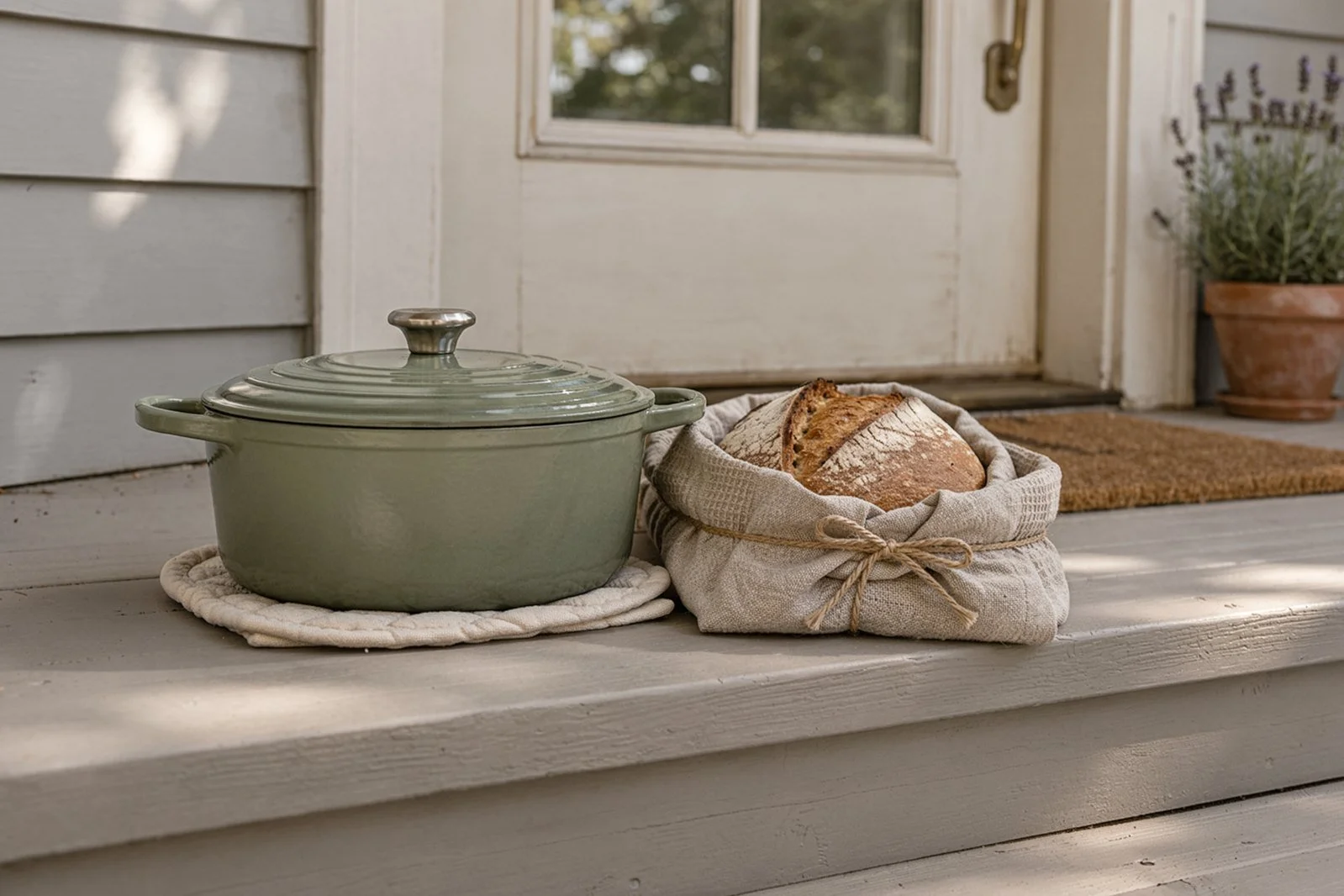
There are times when love looks like a casserole left on the kitchen counter. Sometimes it looks like a freshly mowed lawn, a ride to the store, or a friend sitting quietly in the next room.
The family may not remember every word you said. But they may remember that you were there, that you noticed what needed to be done, and that you helped carry a little of the load.
Do what you can. Do it thoughtfully. And let the family know they have not been forgotten.
This article offers general practical and pastoral guidance, not medical advice. Follow the wishes of the patient and family, and consult the appropriate hospice or healthcare professionals about clinical care, safety, and respite arrangements.
Related Questions
Visiting Someone Who Is Seriously Ill or Receiving Hospice Care
When There’s No One to Help: Finding Support During a Loved One’s Final Illness
Spiritual Care at the End of Life: Faith, Questions, and the Comfort of Being Heard
Next step: Grieving Before a Loved One Dies: When Goodbye Begins Before Death